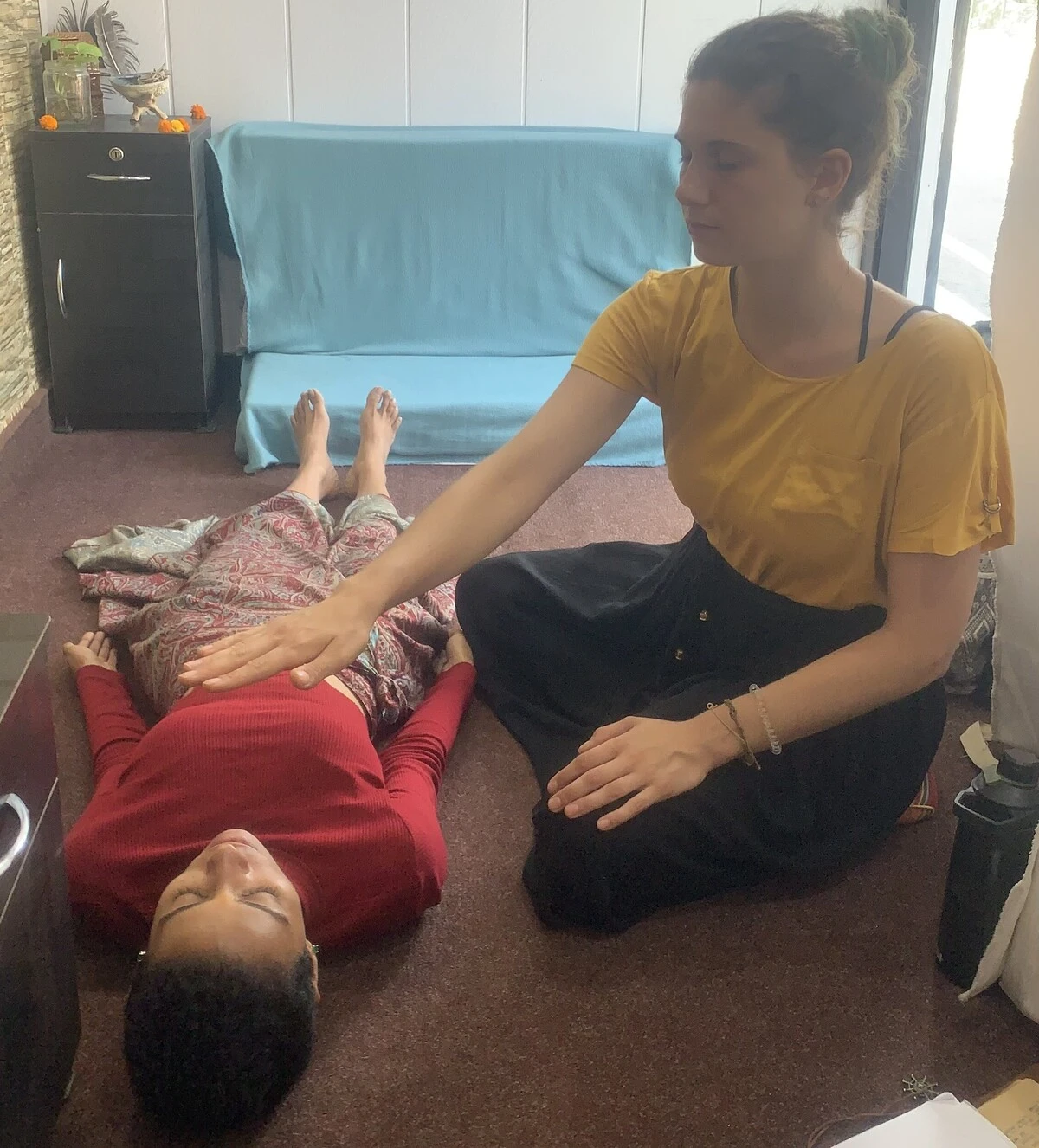
Reiki is a form of complementary therapy relating to energy healing. Proponents say that it works with the energy fields around the body and involves the transfer of universal energy from the practitioner’s palms to the client.
The word “Reiki” means “mysterious atmosphere, miraculous sign.” It comes from the Japanese words “rei,” meaning universal, and “ki,” meaning life energy. Reiki is a type of energy healing. According to practitioners, energy can stagnate in the body where there has been physical injury or even emotional pain. In time, these energy blocks can cause illness. Energy medicine aims to help the flow of energy and remove blocks in a similar way to acupuncture or acupressure. Reiki practitioners believe that improving the flow of energy around the body can enable relaxation, relieve pain, speed healing, and reduce other symptoms of illness. Becoming a Reiki practitioner No prior training, education, or experience is necessary to enter the Reiki training or “attunement process.” In this process, the Reiki master reportedly transfers the attunement energy and healing techniques to the student.
Reiki training varies, but most students learn about:
Preparation for attunement may include avoiding alcohol and caffeine for 1–3 days, meditation, focusing on nature, and releasing negative emotions. There are three levels of mastery. Those who reach “Master” level can teach others and can reportedly heal from a distance.
Healing never experienced before. It changed my life completely. Thank you to all the healing energies of the temple healing and yoga studio. Thank you Rishi sir for holding such energy field.

I did reiki course there. The temple healing and yoga studio energy is very positive.. after course my life completely change. Thank you 🙏
I did reiki course there.. Studio energy super high.. After course I feel positive change in my life.. I feel super positive thank you so much the temple healing and yoga studio 🙏🏻🙏🏻🙏🏻
I took tarot session from the temple healing and yoga studio ... I had great experience.. studio energy very high... I satisfied and happy... Thank you so much,,,🙏🙏🙏
I did reiki course there I had amazing experience thank you so mush rishiji
I am overwhelmed by the ambiance of Temple studio, Reiki healing at temple changed my life, the healing gave me a new life, I can’t stop thanking Prangya who helped me getting a new life by taking Reiki heal and Yoga sessions
I am glad you found this way of teaching. It is what works for my mind and body and brings them together. I am grateful that I can move slowly in your class allowing my body to discover what it needs in each element.... thankyou temple healing & yoga studio😇🙏